

No products in the cart.

Insomnia Causes: Anxiety, Depression and Stress
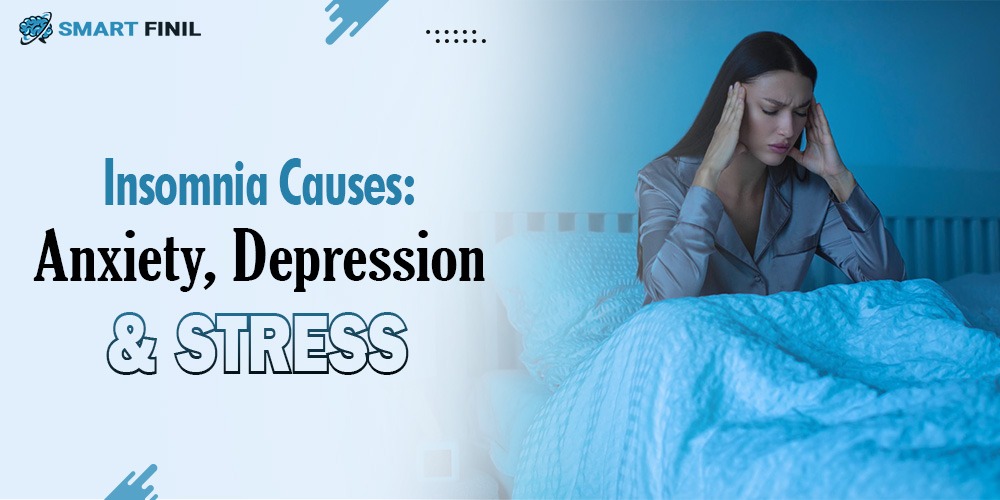
Insomnia is a sleep issue that many human beings all over the world revel in. refers to a situation where one has a difficult time going to sleep, staying asleep, or no longer being able to sleep nicely. Insomnia may have negative outcomes for your well-being.
It can make you feel tired all through the day, reason fatigue, make it tough to suppose honestly, and may even result in intellectual health problems. Insomnia may be a result of different things, but 3 fundamental motives are tension, depression and stress. It’s critical to recognise these reasons so we can find excellent solutions and make our sleep better.
Why I Can’t Sleep
Anxiety is a significant cause of Insomnia. When people experience anxiety, their minds are filled with intrusive thoughts, worries that are hard to control. It’s especially hard when they’re trying to relax and get ready for sex. Having a racing mindset and worrying all the time can make it very difficult to calm the mind and find a calm environment that helps you fall asleep.
a few of the main ways that worry might make it difficult to fall asleep is because it sets off the body’s stress reaction. The stress-reducing chemicals adrenaline and cortisol are released by the system when one is nervous. These hormones help the body prepare for either fighting off a danger or running away from it. This natural reaction makes you more attentive and increases your heart rate and blood pressure, which makes it hard to relax and fall asleep peacefully.
Moreover, anxiety is capable of eliciting bodily reactions that hinder the ability to achieve restful sleep. People with Anxiety disorders might feel tense muscles, a constant need to move around, and a general feeling of unease. This can make it hard to find a comfy position and relax enough to fall asleep.
Moreover, insomnia resulting from anxiety often ends in a never-finishing cycle. The subject of Insomnia and the accompanying infection can accentuate anxiety signs and symptoms, thereby making it even more challenging to gain a restful sleep. The challenge of approximately what happens whilst we don’t get sufficient sleep, like insomnia, feeling tired all through the day and no longer doing properly at obligations, can make us worry even more and cause us to retain having hassle falling asleep.
Depression and Sleeping Issues (Insomnia)
Depression and trouble dozing regularly happen collectively, and they make it hard to forestall. The connection between these two situations is complex, because feeling unhappy can make it hard to sleep, and not getting enough sleep can make feeling sad worse.
People who have despair might have trouble sleeping, which includes waking up too early in the morning, waking up generally all through the night, or having problems falling asleep. Not getting enough exact sleep could make you feel even more unhappy, hopeless, and worn-out.
However, excessive sleeping is observed in some people suffering from depression. They feel excessively sleepy or sleep for longer periods of time. Despite having slept for a long time, individuals may struggle with waking up in the morning, feeling fatigued and lacking energy. This extreme tiredness can make it hard to do daily tasks and make you feel even more tired and unmotivated.
Stress
The modern society we live in is filled with numerous stress-inducing factors, such as the burden of work responsibilities or individual challenges. When you feel stressed, your body releases a hormone called cortisol that makes you ready to either fight or run away.
Regrettably, having too much cortisol in the body can mess up the sleep schedule and make it hard to fall asleep and stay asleep through the night. Furthermore, stress causes our thinking to become rapid and overwhelming, creating obstacles in achieving a calm state before bedtime.
How to Cure Insomnia Naturally?
There are several organic solutions available to alleviate sleep difficulties resulting from feelings of anxiety, depression, or being inundated. It’s crucial to understand that if you have really bad or long-lasting trouble sleeping, you might need to see a doctor for help.
Cultivate a steady routine before sleep. Create a relaxing ritual before bedtime that communicates to your body the need for relaxation. This could mean doing things like taking a warm bath, reading a book, or trying relaxation methods like taking deep breaths or meditating. Take steps to create an optimal sleeping atmosphere in your bedroom.
Make sure the room is not bright or noisy and has a conducive, nice temperature. Take away digital gadgets that make blue light because it could mess up the hormone that facilitates and controls sleep. Strive to participate in responsibilities that bring in relaxation and useful resources in dealing with strain at some point in your everyday life.
Do physical sports like exercise, yoga, or tai chi often, or write in a journal to help set free any constructed-up feelings. Don’t do things that make you feel conscious and alert right before going to sleep.
Drink less caffeine and alcohol. To sleep better, try to reduce how much you consume these substances, especially at night.
CBT-I is a treatment designed to assist individuals with sleep issues by instructing them on identifying and altering negative thoughts and behaviours linked to sleep. It can help you sleep better for a long time if you have trouble sleeping because of anxiety, depression, or stress.
In case natural remedies fail, it may be worth exploring the option of consulting with a sleep expert or therapist. They can give you individual advice and suggest the right treatment choices for you, like medicine or therapy.
Conclusion
Lack of slumber can also have a sizeable negative influence on your general lifestyle and ordinary health. Feeling anxious, Insomnia, depressed, or stressed can make it difficult to sleep, but there are simple ways to help with these problems.
People can achieve a tranquil and rejuvenating sleep by adopting healthy sleep patterns, effectively managing stress, and consulting professionals when needed. Don’t forget, getting enough sleep is really important for staying healthy, and it’s very important to figure out and treat the reasons why you can’t sleep well.
