

No products in the cart.

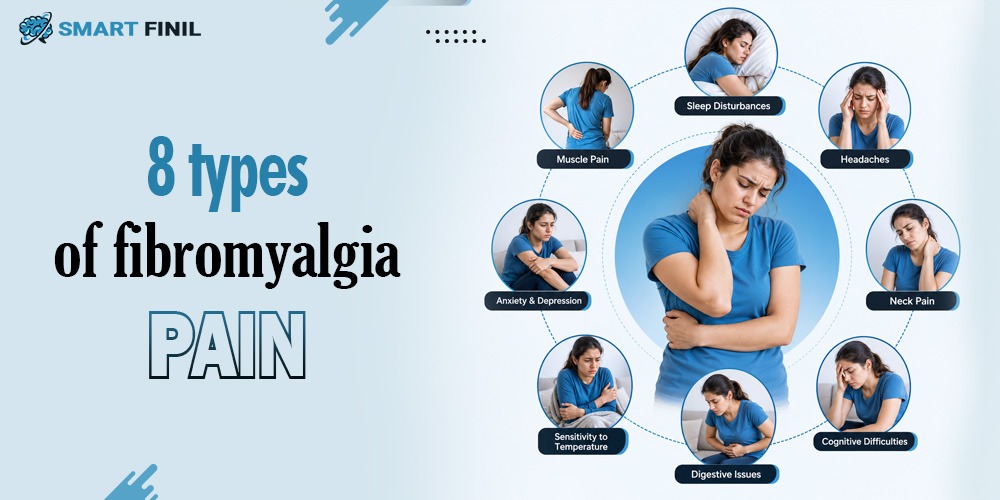
8 Types of fibromyalgia pain
Introduction
Fibromyalgia is a chronic disorder that can affect millions of people worldwide, thereby causing Chronic Pain, sleep disturbance, fatigue and even cognitive difficulties. There are many people who even experience persistent Muscle Pain that can interfere with work, sleep, and daily activities.
The pain can vary in location, intensity, and sensation from person to person and in day-to-day life. Therefore, it is advisable to understand the different types of fibromyalgia pain that can help patients recognise symptoms and communicate effectively with healthcare providers and then choose the most suitable treatment.
In this particular article, we will help you to explore the eight common types of fibromyalgia pain, what their possible causes are, associated symptoms, diagnosis, treatment and more.
What Is Fibromyalgia?
Fibromyalgia is known as a chronic pain syndrome, which is characterised by widespread musculoskeletal pain and is accompanied by sleep problems, fatigue, changes in mood and also memory issues.
Moreover the condition mainly causes –
Upper Back Pain
Lower Back Pain
Researchers have also believed that fibromyalgia develops because the brain and nervous system process pain signals in a different manner (this makes even mild sensations feel painful). This phenomenon is known as central sensitisation. Though it has been seen that fibromyalgia can affect anyone.
- women
- Adults between 20 and 55 years
- Those with a family history of fibromyalgia
- Individuals with autoimmune diseases
- People with chronic stress or previous trauma
What Causes Fibromyalgia Pain?
The exact causes remain unknown, but there are several factors that contribute and are
Hormonal imbalances
Viral or bacterial infections
Chronic stress
sleep disturbance
Genetic predisposition
Abnormal pain signal processing in the brain
Viral or bacterial infections
The 8 Types of Fibromyalgia Pain
Extensive Musculoskeletal Pain
One of the most common symptoms of fibromyalgia. In this condition, the pain can impact both sides of your body and mainly occur above/below the waist.
Some of the symptoms include the following:
- deep aching pain
- constant soreness
- Morning stiffness
- Muscle tenderness
- Pain lasting for months
The commonly affected areas are the neck, Arms, back, shoulders and legs. Some of the people can also experience Hand pain
Burning Pain
There are many people who even describe fibromyalgia pain as a burning sensation beneath the skin or deep inside the muscles. However, the burning can come and go or persist throughout the day.
Different symptoms involved are
- warm or burning feeling
- sensitive skin
- increased discomfort during stress
- pain after physical activity
Stabbing or Sharp Pain
Instead of continuous aching, some of the individuals also experience sudden and stabbing pain. These are brief episodes that can occur anywhere in the body.
Symptoms are
- sudden shooting pain
- Needle-like sensation
- brief but intense discomfort
- random pain attacks
Nerve Pain (Neuropathic Pain)
Many patients can ask- Can Stress cause Nerve Pain all over body. Though stress is not directly linked to damaged nerves, it can worsen fibromyalgia symptoms. Fibromyalgia also causes symptoms that are similar to nerve disorders. Though nerve damage is not usually present, the abnormal nerve signalling can produce neuropathic sensations.
Symptoms seen are
- Numbness
- Pins and needles
- Tingling
- Crawling feelings
- Electric shock sensations
Joint Pain
Fibromyalgia does not damage joints and it can also sometimes be mistaken for acute pain, like arthritis; many people experience joint discomfort. Some of the common areas are wrists, knees, fingers, ankles, and elbows.
Different symptoms are
- Tenderness
- Pain with movement
- Joint stiffness
- Mild swelling sensation
Headaches and Migraines
Headaches are common among people living with fibromyalgia. The tension within the muscles around the neck/shoulder can even contribute to headaches on a frequent basis.
Yet some of the individuals also experience tooth pain
Symptoms are
- Migraines
- Tension headaches
- Light sensitivity
- Neck pain
- Pressure around the forehead
Abdominal and Pelvic Pain
Fibromyalgia often affects the digestive system, and many individuals experience symptoms associated with irritable bowel syndrome.
- Some of the symptoms are-
- constipation
- pelvic discomfort
- bloating
- stomach cramps
- Diarrhea
Tender Point Pain
Tender points are specific areas that become extremely painful when pressure is applied. Although they are no longer required for diagnosis, they remain common in many patients. Some of the common tender points are neck, upper chest, shoulder, hips, lower back, knees, and elbows.
Some of the symptoms are
- Pain when touched
- Localized soreness
- Muscle tenderness
Other Symptoms Associated with Fibromyalgia
Poor sleep
Anxiety
Restless legs syndrome
Increased sensitivity to light
Difficulty concentrating
How Is Fibromyalgia Diagnosed?
There are different laboratory tests for fibromyalgia, and hence healthcare expert diagnose the condition by
Determining the medical history (discussing symptoms, pain duration, and overall health).
Physical examination to determine the area of pain and tenderness.
Tests may also be performed to rule out conditions like rheumatoid arthritis, Thyroid disorders, Vitamin D deficiency, anaemia, and also Lupus.
Different treatment options
Though fibromyalgia has no cure, the treatment focuses on reducing symptoms and even improving daily functioning.
Medicines
A healthcare provider can recommend Milnacipran, Pregabalin, Duloxetine, Amitriptyline and also Pain relievers when appropriate. The choice of medicine depends upon the individual’s symptoms and should also be guided by a healthcare expert.
Alongside Pain O Soma 350 mg, Pain O Soma and Pregabalin, the pain could be controlled much more easily, as they are prescribed for short-term relief of muscle spasms.
Physical therapy
A structured exercise programme can improve flexibility, strength of muscles, endurance and also pain control.
Include exercise
A regular low impact activities are: cycling, swimming, yoga, Tai chi, stretching.
Cognitive Behavioural Therapy
CBT may also help people to develop strategies to manage chronic pain, stress, and emotional challenges associated with fibromyalgia.
Management of stress
Some of the helpful techniques included are meditation, deep breathing exercises, mindfulness, and relaxation therapy. Journaling
The pain reliever can be purchased online with Smartfinil, as we are committed to providing high-quality healthcare products with a complete focus on authenticity, secure ordering, affordability and also dependable customer support.
Patients can easily access the trusted medicines while ensuring they are used responsibly under the guidance of a qualified healthcare professional.
Conclusion
Fibromyalgia is one of the complex chronic conditions that can affect much more than the muscles. The eight common types of fibromyalgia pain, which mainly include widespread musculoskeletal pain, burning pain, stabbing pain, headaches, abdominal pain and even tender point pain, highlight the diverse ways this disorder can impact daily life.
While there is no cure, an early diagnosis, personalised treatment, quality sleep, regular physical activity, managing stress and ongoing medical treatment can help people to manage symptoms effectively. If you are the one experiencing persistent widespread pain along with fatigue and sleep disturbances, then it is advisable to consult with a doctor.
