

Hormonal Imbalance: Symptoms, Causes, Treatment & Prevention Guide
Introduction
Hormones are mainly a chemical messenger that helps to regulate the most important functions within the body, which accounts for
overall growth
your mood
Sleep
metabolism
and also, the level of energy
when there is no consistency within hormones (either they are low/high), they impact the complete functioning of the body.
This leads to a condition which is called ‘hormonal imbalance’, and there can be minor fluctuations and it can affect the overall health and quality of life. Hormones have been known to play an essential role towards regulating
- sleep cycle
- appetite
- stress response
- Overall well-being.
What is a hormonal imbalance?
An imbalance in hormones can be due to either high/low levels of the hormone in bloodstream, Since, hormones are being developed by endocrine glands like
adrenal glands, thyroid, pancreas, ovaries and testes.
Since it has been known that hormones influence numerous bodily processes, even a small imbalance can cause significant health effects. Some of the commonly affected hormones are
estrogen
progesterone
testosterone
insulin
cortisol
thyroid hormones
other important sex hormones responsible for reproductive health.
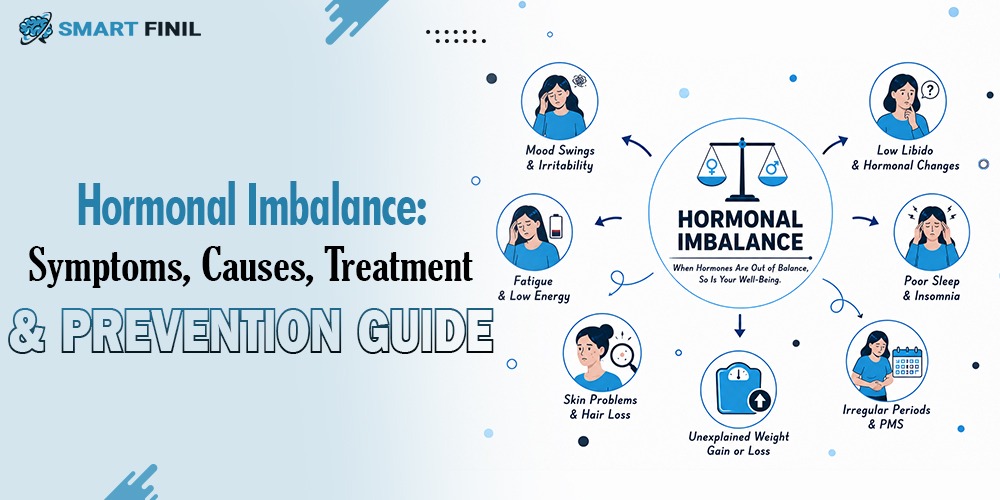
Symptoms of Hormonal Imbalance
The symptoms of hormones are seen on the basis of which hormone is affected.
Physical Symptoms
Unexplained gain in body weight
Fatigue and low energy
Dry skin
hair thinning
Sleep disturbance/insomnia
Increasing sensitivity to heat/cold
Reduced muscle mass
Digestive problems
Low libido
Hormonal acne
Emotional Symptoms
Mood swings
anxiety
irritation
Increased stress sensitivity
lack of motivation
Difficulty in concentrating
Common Causes of Hormonal Imbalance
- Chronic stress
- Obesity
- diabetes
- thyroid disorders
- Menopause
- Pregnancy
- Aging
- Certain medications
- Type 2 diabetes
- gestational diabetes
- Problem with sleep
- Autoimmune diseases
- Lack of physical exercise
- Following a poor diet
Hormonal Imbalance in Women
Women can even experience hormone fluctuations throughout their lives during
- menstruation
- Pregnancy
- postpartum changes
- menopause
- Some of the common conditions are
- PCOS and hormones
- endometriosis
- thyroid disorders
- Vaginal dryness
All of these can further disrupt the hormone level.
Hormonal Imbalance in Men
Hormone imbalance is also seen and is common among men too, especially as testosterone levels decline with age.
- Fatigue
- Changes in mood
- Reduced sexual drive
- Erectile dysfunction
- Difficulty concentrating
- Loss of muscle mass
- Reduced beard growth
- Increased body fat
Hormonal Imbalance and Weight Gain: What’s the Connection?
Hormones are playing an essential role in maintaining/regulating the metabolism and storage of fat at the same time. But when hormones are not balanced, then the body loses its ability to manage weight.
There are several hormones associated with weight gain, including
Insulin
When there is an excess of insulin, it can encourage fat storage and increase the risk of weight gain.
Cortisol
The level of cortisol can increase stress, which in turn increases the appetite, thereby promoting fat around the abdomen.
Thyroid hormones
An underactive thyroid condition known as hypothyroidism slows the metabolism, thereby making it easier to gain weight and harder to lose excess body fat.
Estrogen
Fluctuating oestrogen levels may also contribute to weight changes, mainly during menopause.
Testoestrone
Low testosterone levels can reduce muscle mass and even slow calorie burning.
Foods That Help Balance Hormones Naturally
Some of the foods can support hormone production and overall endocrine health.
Healthy fats
- Olive oil
- Avocados
- Fatty fish
- Seeds/nuts
Protein-Rich Foods
- Lean meats
- eggs
- Fish
- Legumes
- Greek yogurt
Fiber-Rich Foods
- Beans
- whole grains
- Vegetables
- fruits
Cruciferous Vegetables
- Cauliflower
- Cabbage
- Brussels sprouts
- Broccoli
Foods Rich in Omega-3 Fatty Acids
- Flaxseeds
- Salmon
- Sardines
- Chia seeds
How to Balance Hormones Naturally
Lifestyle modification can help to improve the hormone balance.
Managing stress levels
To manage stress, individuals must look to perform.
Yoga
Deep breathing
Meditation
mindfulness
Focus on your
It is advisable to focus on 7-9 hours of sleep to support the healthy production of hormones.
Exercise regularly
Your regular physical activity can improve insulin sensitivity, reduce stress hormones, and even support metabolic health.
Maintaining a healthy body weight
Weight management may also help to regulate hormones, which are linked to metabolism and reproduction.
Limit Processed Foods
Individuals are advised to limit sugar and highly processed foods that can support a stable level of hormones.
Avoid smoking/alcohol.
Both of these habits, when not decreased, can negatively affect endocrine function and hormone regulation.
How Doctors Diagnose Hormonal Imbalance
Doctors can use several methods to diagnose hormone imbalance, like
- Physical examination
- Urine test
- Saliva hormone testing
- Medical history review
- Ultrasound examinations
- Imaging studies, when necessary
- Thyroid function tests
- Blood tests
Treatment Options
Treatment is dependent upon the underlying cause/severity of the hormone imbalance, yet some of the common approaches are
Hormone replacement therapy
Insulin-regulating medications
Thyroid medications
Management of stress
Weight management programs
Fertility treatment when necessary
Dietary improvements
A proper treatment can help to improve fertility, energy level, enhanced mood and overall sexual function in both men and women.
Conclusion
Hormonal imbalance can impact complete health when care is not taken on time; this can be from a low level of energy to reproductive functionality. However, symptoms may also vary between individuals, and hence, early recognition and proper management can significantly improve the quality of life.
Hence, following a healthy lifestyle, balanced nutrition, management of stress and appropriate medical care are needed.
The hormone imbalance can cause different issues in your life, and hence, a proper treatment/approach is required. To this, there are natural methods and medicines available to control hormone imbalance. Therein, online pharmacy Smartfinil is one of the best places you can go to buy different medicines online.
We help in delivering different healthcare medications online.
Our prices are affordable and mark complete safety during order placement and delivery.
Our team ensures following the complete regulations across countries.
FAQs
Can hormonal imbalance go away on its own?
If there is a temporary hormone fluctuation, then it can resolve naturally, especially those related to stress, the menstrual cycle and pregnancy. In cases with persistent symptoms, they often require medical evaluation and treatment.
What is the fastest way to balance hormones?
The fastest approach depends upon the cause, thereby improving sleep, reducing stress, maintaining a healthy diet, performing exercise on a regular basis, and even following medical recommendations, as this can help restore hormonal balance more effectively.
Which hormone causes weight gain?
Several hormones can contribute to gain in body weight and this includes
insulin
cortisol
estrogen
thyroid hormones
Can stress cause hormonal imbalance?
Yes, chronic stress increases the production of cortisol, which can further disrupt the balance of other hormones and affect metabolism, sleep, mood, and reproductive health.
How long does it take to restore hormonal balance?
The time varies depending upon the underlying condition, severity of the imbalance, certain lifestyle factors, and treatment approach. Some of the people can notice improvement within a few weeks and some can take several months.