

No products in the cart.

Hypopnea vs Apnea: Treatments for sleep disorders
Sleep Apnea vs Hypopnea: Know the Difference
Sleep apnea is a type of breathing disorder where there’s a complete obstruction of air lasting for a minimum duration of 10 seconds. Hypopnea is also a type of breathing disorder where there is a partial restriction of airflow. Together, they occur during sleep, and they greatly affect overall sleep quality. They are also known as Obstructive Sleep Apnea Hypopnea Syndrome (abbreviated as OSAHS).
- The major difference between them is that sleep apnea is the complete obstruction of the airway and causes a complete cessation of breathing, that is, an oxygen reduction of greater than or equal to 90 percent.
- While hypopnea in sleep is the partial cessation of breath flow greater than or equal to 30 percent, it is also accompanied by airway passage obstruction and awakening during sleep.
- Both breathing disorders should last at least 10 seconds to be categorized as sleep apnea according to a sleep study.
- Apnea is considered more severe and harmful than hypopnea because of complete obstruction of airflow, though both are major hindrances to good sleep, cause disruption, and cause poor oxygenation. Both disorders are measured by the AHI (Apnea Hypopnea Index), which measures events per hour during sleep.
Sleep Apnea Hypopnea Syndrome
Sleep Apnea Hypopnea Syndrome is a type of medical condition that greatly impacts the quality of sleep by either completely or partially restricting the airflow. It can range from mild to severe. Symptoms usually include loud snoring, excessive daytime sleepiness, mood disturbances, sleep disruption, morning headaches, etc. Sometimes it is associated with severe health risks, including cognitive disorders or severe heart conditions.
What is Hypopnea in a Sleep Study
Obstructive hypopnea in a sleep study is described as a breathing disorder characterized by the reduction of airflow by at least 30 percent and should last for at least 10 seconds during sleep. Unlike apnea, hypopnea is described as a partial airflow obstruction, and hypopnea symptoms include daytime dreaming, broken sleep, and other sleep-related issues. It also disrupts the quality of sleep, leading to constant loud snoring, mood disturbances, etc. In hypopnea, your breathing doesn’t completely stop because of partial airway obstruction.
Which is Worse For You: Apnea vs. Hypopnea?
Sleep apnea is worse and more likely to cause damage than hypopnea. Because in sleep apnea, there’s a complete restriction of airflow in the passage of more than 90 percent, and also there’s a sharper drop in the oxygen in the blood. It affects the vital organs, such as the oxygen in the brain and heart, greatly. However, it doesn’t mean hypopnea causes less harm just because its impact is less. Unlike sleep apnea, hypopnea causes partial airway restriction but still causes sleep disruption, fragmented sleep, and poor sleep issues. It also leads to excessive daytime sleepiness and mood disruptions. Several episodes of sleep hypopnea during sleep are equally as bad and fatal as sleep apnea.
When it comes to medical diagnosis and disease management, unlike the condition, the frequency and intensity are taken more into account, as both may lead to bad quality of sleep and other health problems. That’s why both types of disorders need to be managed medically in an effective manner.
Hypopnea During the Day
Hypopnea is a medical disorder that usually occurs during sleep. You may not be affected by hypopnea during the day, but the impact of it can mess with your day-to-day routine and daily activities as well. The after-effects of hypopnea include routine sleep fragmentation, thus making it harder for the brain to get the proper sleep vital for it to function effectively.
Experiencing several episodes of hypopnea at night leads to daily awakening, thus leading to daytime sleepiness, which can disrupt both physical and mental health and make it difficult for you to perform day-to-day activities.
Obstructive Sleep Apnea Hypopnea Treatment
Hypopnea treatment and sleep apnea treatment involve a combination of medical treatments as well as lifestyle modifications to keep the airway open during sleep and to improve the symptoms and aftereffects. Doctors usually prescribe tablets like Waklert 150 or Artvigil 150 to control and to reduce the excessive daytime sleepiness usually caused by hypopnea and sleep apnea at night. These tablets usually consist of an ingredient known as armodafinil, which promotes wakefulness and reduces episodes of daytime sleepiness.
Doctors sometimes avoid medicines and also advise lifestyle modifications, such as losing weight, which also helps in reducing the frequency of episodes of sleep apnea. Weight loss for sleep apnea has proven to be a non-medical natural treatment, as excessive weight leads to more accumulation of fat around the neck, thus leading to obstruction of the airway during sleep. Many patients have witnessed the drastic changes after losing weight and said, “Weight loss cured my sleep apnea.”
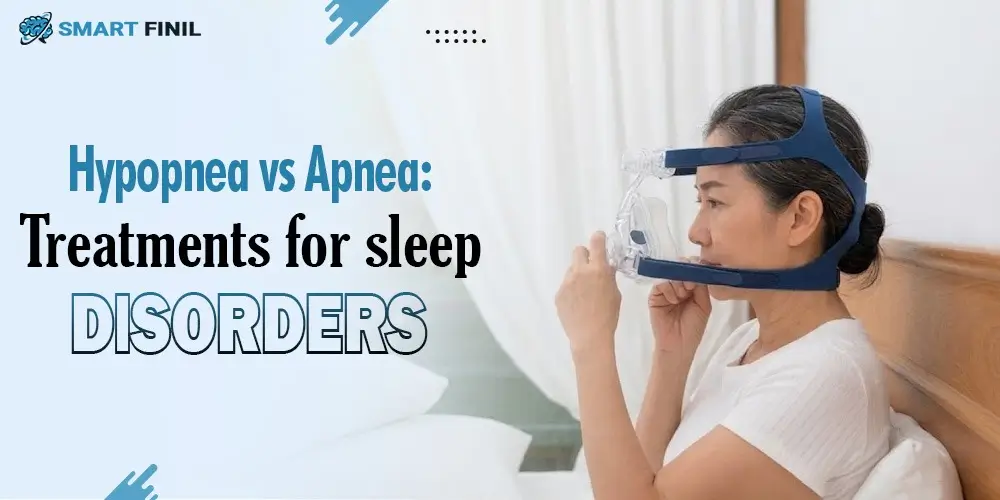
In cases of severe or frequent sleep apnea or hypopnea, CPAP, also known as Continuous Positive Airway Pressure, has proven to be a panacea for the patients. Treatment includes delivering continuous air through the mask, which keeps the airways open during sleep and reduces the symptoms and impact of apnea and hypopnea. Apart from these treatments, positional therapy, such as sleeping on your side, has also been proven beneficial to treat these conditions.
Doctors usually prescribe a blend of these approaches to provide the best possible treatment.
How Many Apneas and Hypopneas are Normal?
According to AHI, also known as Apnea Hypopnea Index, if you’re having fewer than 5 episodes per hour of either Apnea or Hypopnea per hour, then you don’t require any treatment. But any number greater than 5 requires medical care.
FAQs:
Is hypopnea worse than apnea?
No, generally hypopnea is considered less harmful than sleep apnea, as it’s the partial airflow restriction, unlike apnea.
Can hypopnea be cured?
Yes, doctors provide a range of treatments to manage the symptoms and impact of hypopnea. These treatments range from lifestyle modifications to prescribing oral medications to manage the symptoms and to improve the quality of sleep.
How is sleep apnea diagnosed?
Sleep apnea is diagnosed by various systematic approaches, including a sleep study, and by observing the oxygen levels on various parameters.
